Feeds:
Posts
Comments

Archive for the ‘Savory’ Category

If you’ve taken a spin through my recipe section, you know that I pretty much love any and all types of food.  But meatballs are one of my favorite bites.  Last year I wrote this post, where I confessed that when we get together back in North Dakota, my mother often makes four different styles for our family holiday meal.  I’m not saying I’m an expert, but I certainly have the experience.  These meatballs were a huge hit with my family.  My kids (gasp!) even loved them, and they are proving to be borderline vegetarian lately. I served them with a simple quinoa side dish, but couscous, rice, or polenta would also be wonderful.

For this particular meatball, I wanted to use non-tradional flavors– at least non-traditional for a German-Hungarian from the Great Plains. I was in the mood for an ethnic twist.  Here, I made lamb meatballs infused with beautifully fragrant spices.  The toasted cumin– which smells amazing, by the way– and the coriander really stand out in this dish.  And the vibrant fresh herbs are heavenly.  I also made a red-wine sauce, and simmered the meatballs to add richness.  Turns out, I like the sauce enough that I could drink it by the ladleful.  Finally, I topped the dish with a bright chimichurri.  It adds a nice zing that really makes every bite ‘pop!’

These meatballs are very easy to make.  And they’re loaded with flavor– not just some bland lump covered in sauce.  For this recipe, I used a technique that makes perfect meatballs every time– I bake them in the oven.  The result is a firm, evenly browned meatball that is succulent.  Not dry, but perfect.   Buy the best ground lamb you can find.  The quality of your meat will always be reflected in your dish.  Also, buy whole spices if you can.  Toast them, as it enhances the flavor.  Once they’re toasted, crush them with a mortar and pestle, or anything else that ends up giving you mostly-ground spices.  In a pinch, even placing them in a plastic bag and crushing them with a rolling pin will work.  If you only have ground spices and don’t want to buy whole ones, don’t worry.

The Recipe:  Lamb Meatballs in Red Wine Sauce with Mint Chimichurri

(Serves 4 comfortably)

For the Meatballs:

1 tablespoon whole cumin seed, toasted and ground

1 teaspoon whole coriander seed, toasted and ground

1 tablespoon chopped fresh mint

2 tablespoons chopped fresh parsley

1 pound ground lamb

1/4 cup chopped red onion

1/4 cup crumbled feta cheese

2 tablespoons toasted white bread crumbs

1 egg, lightly beaten

3 cloves garlic, minced

1 teaspoon salt

freshly ground pepper

Red Wine Sauce:

2 tablespoons olive oil

2 tablespoons chopped red onion

1 garlic clove, minced

1 tablespoon tomato paste

1 cup dry red wine

1 cup chicken broth

1 teaspoon whole cumin seed, toasted and ground

2 cups crushed tomatoes

kosher salt and freshly cracked pepper, to taste

1 heaping tablespoon freshly chopped parsley

Mint Chimichurri:

1/4 cup packed fresh mint, roughly  chopped

1/2 cup packed fresh parsley, roughly chopped

1 garlic clove, minced

about 1/3 cup extra-virgin olive oil

kosher salt,

1-2 tablespoons red wine vinegar

1 tablespoon finely chopped preserved lemon (a bit of lemon zest can also be substituted)

water to loosen chimichurri a bit, if necessary

(Note:  To toast the cumin and coriander seed, place them in a small skillet on medium heat.  Stir or toss frequently and toast until the seeds become very fragrant, a few minutes.  Be careful not to burn the seeds.  Remove from heat and let cool on a plate.  Then use a mortar and pestle to grind them.)

Preheat the oven to 350°F.  Line a baking sheet with parchment paper.  Set aside.  In a 12-inch skillet with a lid, heat the olive oil until hot and add the chopped red onion and garlic.  Saute for a couple of minutes until tender.  Add the tomato paste,  red wine, ground cumin, chicken stock, crushed tomatoes, and salt and pepper, to taste.  Bring to a boil, then immediately turn heat down.  Simmer for about 50 minutes with the lid on.

In a large mixing bowl, add the ground lamb, ground cumin and coriander seed, mint, parsley, red onion, feta cheese,  bread crumbs, egg, garlic, kosher salt and cracked black pepper.  Gently mix with your hands.  Make sure to get everything incorporated, but being sure to not over mix.  Doing so will lead to a tough meatball.  Using a small scoop or form into balls with your hands,  drop onto the prepared baking sheet spacing them an equal amount of distance apart.  Bake for about 35-40 minutes, or until the edges of the meatballs are a deep golden brown.

Remove meatballs from oven and place in the red wine sauce.  Simmer together for about 20 more minutes so the flavors can incorporate.  If the sauce is too watery, leave the lid off and increase the heat, so the sauce can reduce.  If the sauce is a nice consistency already, simmer with the lid on.  When it seems to be done and the sauce is perfect, stir in the chopped parsley and remove from heat.

Meanwhile, using a mini-food processor (a blender or knife can also be used), add the mint, parsley, lemon, garlic, vinegar and salt.  Pulse a few times to incorporate.  Slowly add the olive oil — use more if you see fit.  Or add a bit of water to loosen the chimichurri.  Blend until smooth.  Taste.  Add more salt, if necessary.  Serve along with the meatballs and red wine sauce.  Enjoy!

I’m always delighted that you stopped by Relishing It  — thank you!  Have a wonderful day.

Laurie

Join me on Twitter

Read Full Post »

You would think I made this meal for a special occassion, wouldn’t you?  Actually, it was a Wednesday.  And ‘no’ I most certainly do not spend hours preparing weeknight meals.  Believe it or not, this halibut and clam dish is just about as easy as it gets.  We love seafood, but live in land-locked Minnesota.  We’re about as far from the ocean as one can get in this country.  Fortunately, we have a good seafood import market near our house.  I picked up the halibut and clams, and spent a total time in the kitchen of about 30 minutes.  We lit a candle in the center of our table– our ritual that makes the meal feel special– and sat down to this beautiful weeknight dinner.

Halibut is one of my favorite fish.  It’s so silky, and works wonderfully in this flavorful dish.  The clams (which Aanen loved!) add a nice briny flavor, while the mushrooms and leeks lend a deep earthiness.  And don’t forget the butter.  It flavors the broth and gives a creamy texture to the whole meal.  I actually cut back on the butter a bit when I made this dish, but feel free to add a few more tablespoons if you like.  This is a great meal to pair with a white wine for a romantic weekend dinner, but it’s also so easy to prepare that you can make it anytime– even a Wednesday night.

The Recipe: Braised Halibut with Leeks, Mushrooms, and Clams

(serves 3-4)

3 tablespoons butter

1 large leek, white and light green parts thinly sliced

1 clove garlic, minced

2 cups chicken broth

1 pound fresh Halibut, skin removed  (preferably wild)

1 pound Littleneck or Manila clams, scrubbed

about 2 cups crimini mushrooms, quartered  (oyster or hen-of-the- woods are good substitutes)

lemon zest

1 tablespoon freshly chopped parsley

sea salt and cracked black pepper

Melt the butter over medium heat in a large 12-inch straight-sided sauté skillet with a lid.  Add the mushrooms, garlic clove, and leeks; season lightly with salt and pepper.  Cook until softened, but not browned, 6-8 minutes.  Add the broth, raise the heat to medium high, and bring to a boil.

Season the halibut with salt and pepper.  Nestle the fish and the clams in the skillet.  Bring the broth back to a boil, cover tightly, and reduce heat to low.  Cook gently until the fish is just cooked through and the clams have opened, about 7 minutes.  If all of the clams are not open, remove the fish and the opened clams and continue cooking until the remaining clams open, another 2-3 minutes.  Discard any clams that have not opened by this time.  Stir in the lemon zest and sprinkle with the parsley.

Serve the fish and clams in a shallow bowl topped with the delicious broth and vegetables.  Enjoy with a piece of crusty bread and glass of a nice  white wine.

Adapted from Fine Cooking Soups & Stews Magazine, 2010

Thanks for stopping by Relishing It today!

Laurie

Join me on Twitter

Read Full Post »

Had enough heavy Holiday foods and sweets yet?  Me too.  I figure it’s time to get back to a few delicious everyday recipes.  Now that it’s just you, me, and Winter, we can make all sorts of great dishes for no good reason other than because we want to.  Today, it’s homemade pizza.  What’s more ‘everyday’ than that?  This is the perfect stay-at-home meal that’ll make you happy you didn’t head out into the wind and cold searching for a restaurant this weekend.  The base here is my go-to pizza crust (though, admittedly, I love this one by Zoe Francois as well).  This multi-flour pizza crust tastes amazing and it’s ridiculously easy to throw together.  It never fails me.

I know, I know– we’ve all made homemade pizza, so why should you try this recipe?  I guess three reasons come to mind.  First, the crust here combines three different flours.  They give the dough more depth, more heartiness.  While you may find it a bit more difficult to track down the rye flour, it’s worth making the effort.  And even if you can’t, add in more regular flour to ensure that the total amount is about 14 ounces.  This dough is easy to make ahead of time.  While it’s ready in just over an hour, if you want to let it sit in the refrigerator for a day or so, you’ll really notice that the flavors deepen.

Reason number two for following this recipe is the pizza stone.  Sure, it isn’t actually part of the recipe, but if you’ve been disappointed by your homemade efforts in the past, a decent pizza stone can make a huge difference.  Go buy one– now.  They vary in price and size, so pick one that fits your needs.  The stone is a must-have for a decent crust.  You’ll want the crust to begin baking on contact.  It adds that nice crunchiness that so many homemade efforts are missing.  I’ve experimented with this pizza crust recipe over the years, and finally found that using the heated stone– as well as rolling out the crust very thin— makes all the difference.  It is perfectly crispy, yet still substantial.

Reason number three is the ingredients.  Of course we all like different toppings, but if you haven’t tried ricotta cheese, olive oil, and fresh herbs on your pizza, you’re missing out.  Try it.  I insist.  Ricotta provides such a delightful creaminess, that nicely balances the salt so prevalent in other ingredients.  And olive oil and fresh herbs add a vibrancy that so many pizzas lack.  (Note, if you put herbs on your pizza, put those on after its baked to avoid burning them.)  If you’re curious, the pizza in the photographs contains olive oil, sliced garlic, roasted red pepper, spinach, ricotta cheese, grated mozzarella, parmesan, and red-pepper flakes.  Give it a try, or experiment for yourself.  Either way, have a wonderful pizza night this weekend with your family!

The Recipe: Homemade Pizza Dough

(Makes enough for 2 medium pizzas or several individuals)

1 teaspoon instant or rapid-rise yeast

2 cups unbleached all-purpose flour  (note: the total weight of all the flours combined should be about 14 ounces)

3/4 cup whole wheat flour

1/4 cup rye flour

2 teaspoons kosher or sea salt

1  to  1 1/4 cups water heated to 100-110°F

2 tablespoons, plus 1 teaspoon olive oil

Making the Dough: Using a food processor fitted with the dough blade, add the flours, salt, and yeast (of course this can all be done by hand, if you don’t have a food processor). Pulse it a few times to combine.  Turn the machine on and add 1 cup water plus 2 tablespoons olive oil slowly into the feed tube.  Process for about 30 seconds and then slowly add the remaining 1/4 cup of water, a little bit at a time, until the mixture forms a dough ball and begins swirling around the processor. You may not need the entire 1/4 cup of water.  It should be slightly sticky to the touch.  If it’s too dry, add a bit more water.   Turn the dough onto a slightly floured work surface and knead by hand for a minute or so.  Place dough into a bowl greased with the remaining teaspoon of olive oil.  Cover with plastic wrap and let rise in a warm, draft-free area until doubled in size, 1-2 hours.  At this point, you can use the dough immediately.  Or you can deepen the flavor and refrigerate it over night.  If you have the time, a slow-rise in the refrigerator for 6-8 hours is also an option.  You may also freeze the dough.  Defrost in a covered bowl in the refrigerator or at room temperature.  I’ve kept my dough in the refrigerator for several days and it just seems to deepen the flavor.

Getting ready to make the pizza:  Place your pizza stone on the middle rack in your oven.  Preheat the oven for as high as it will go, mine is 500°F, for 30 minutes before you place your pizza on the stone.   On a floured surface, roll your pizza dough out to your desired thickness (I suggest going very thin!).  Generously flour a pizza peel or the back of a large cookie sheet and place the rolled-out dough onto it.  Make sure you can move the dough around with ease, as it will need to slip off of the surface and onto the pizza stone very quickly.  Place your toppings onto the pizza.  Make sure to drizzle any olive oil onto the pizza after it is on the stone, if need be, or it will run everywhere during the transfer.  Open the oven and pull out the rack.  Gently and very confidently slip the pizza onto the stone.  Make sure to start at the end of the stone furtherest away from you.  Close the oven door and let bake until the cheese is a deep golden brown and done to your liking.  Check it often, it will take about 5- 7 minutes. However, every oven is different, so do not rely on this number too heavily.

Source: Adapted from Mark Bittman’s How To Cook Everything

So glad to stopped by Relishing It today!  I love having your company.

Laurie

Join me on Twitter

Read Full Post »

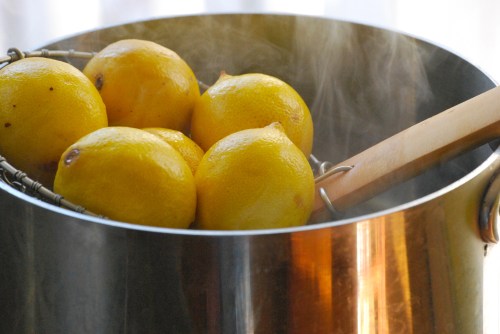
Here’s a recipe to make now and set aside for a month or so.  It’ll be ready for you (and you for it, trust me) once the holidays have passed.  Chances are you won’t want to think of another heavy meal or of holiday sweets by then, so these preserved lemons are a perfect addition to lighter fare.  Preserved lemons have a wonderfully pickled flavor and silky texture.  While they’re often found in Moroccan and Middle Eastern cooking, they’re so versitile that you can use them in most anything.  Officially, these little gems should be ready to use in about four weeks (though, I usually never wait quite that long).  Even better, since preserved lemons cost a fair amount at the market, when you make these at home you’ll not only get better flavors, but you’ll save money.

The entire lemon is used– rind and all.  Here are a few ideas for using their wonderful zing to brighten up your typtical meals.  They are wonderful finely chopped and mixed into sautéed vegetables, like green beans.  Mix them into couscous or rice and create a wonderful side dish.  Or, add thin strips to meats that are braising during the last few minutes of cooking.  They also pair wonderfully with roasted chicken or chicken salad, and are amazing with steamed fish.  You can even put them on a pizza with chicken and arugula for a change of pace.

However you choose to use them, make sure to not over-salt the original dish as the lemons will add a fair amount.  You may see a white substance develop on the lemons, but don’t be concerned.  This film is normal, and should simply be rinsed off with cool water.  Another thing to keep in mind is to use kosher or sea salt– table salt can add a harsh chemical flavor.   While I have yet to try it, I’ve read that the liquid the lemons are preserved in makes wonderful cocktails.  Bloody Mary, anyone?  Plan ahead and make these lemons now– by mid-January with its Winter darkness, they’ll be ready to brighten your meals.

The Recipe: Preserved Lemons

(Makes 1 quart)

About 1 – 1  1/2 pounds of organic lemons (make sure your lemons are wax-free)

2-3  quarts water, plus 2 cups

3 tablespoons kosher or sea salt

1 cinnamon stick

1 dried bay leaf

sprinkle of black peppercorns

sprinkle of coriander seeds

A few tablespoons of mild-flavored olive oil

Bring 2-3 quarts of water to a boil in a large saucepan.  Add the lemons and simmer for about 4 minutes to soften the skin.  Drain and rinse in cold water.  Pack tightly into a sterilized quart jar.  You may need to cut them into halves or quarter to fit them all in.

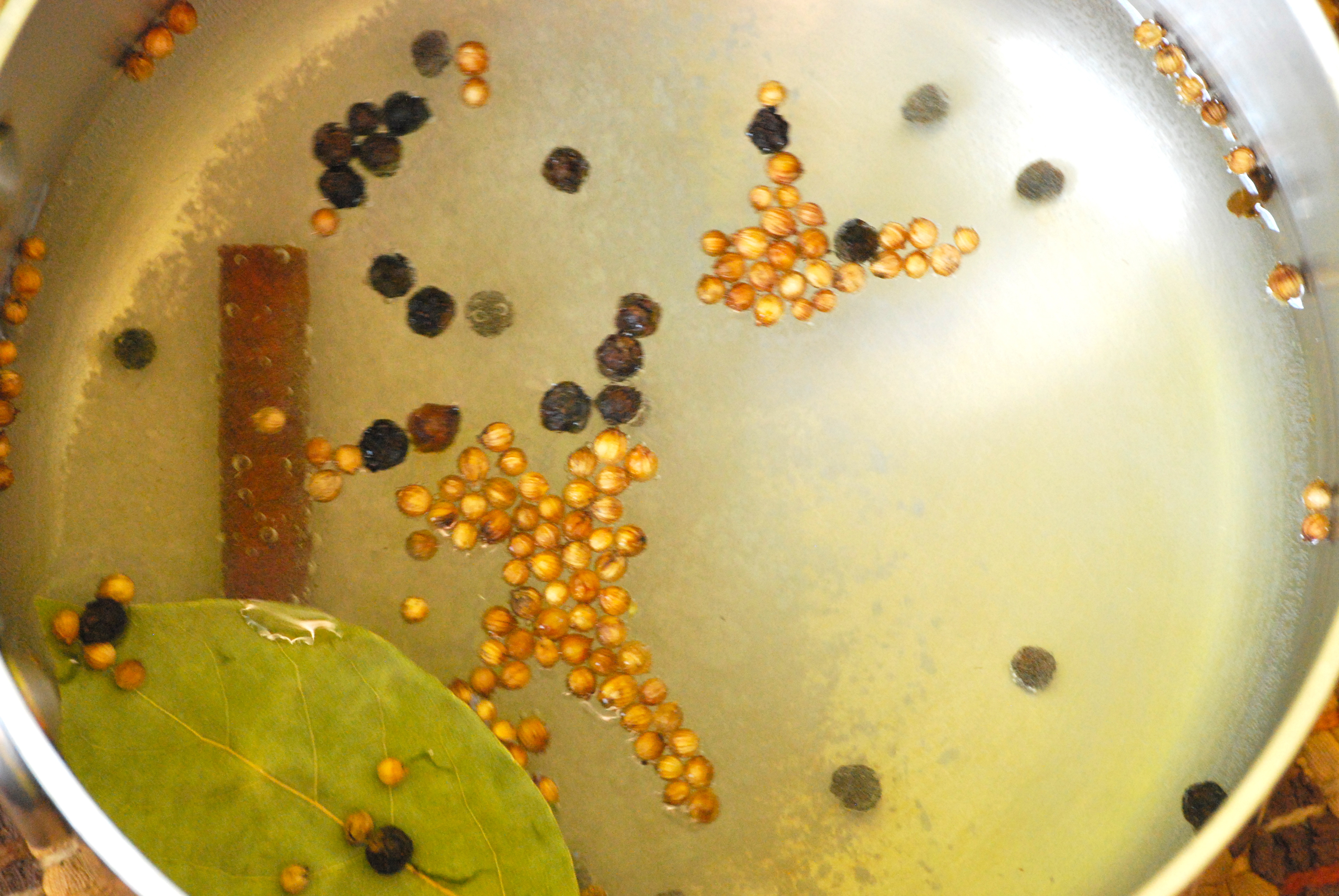
In a small saucepan, combine the 2 cups of water, salt, cinnamon stick, peppercorns, coriander, and bay leaf together and bring to a boil.  Cool slightly.

Pour brine over the lemons and cover completely.  You will probably have brine leftover.  Coat the surface with olive oil and screw on the lid.  Age the lemons for about 4 weeks in a cool, dark spot.  Always use clean tongs or a fork (not your fingers) to remove the citrus from the jar.  Taste a piece and rinse under cool water if it seems too salty.  Refrigerate after opening.  Preserved lemons can be kept for up to a year, or more.

Source:  Adapted from The Zuni Cafe Cookbook by Judy Rodgers

As always, I love your company.  Thanks so much for stopping by.

Laurie

Join me on Twitter
Read Full Post »

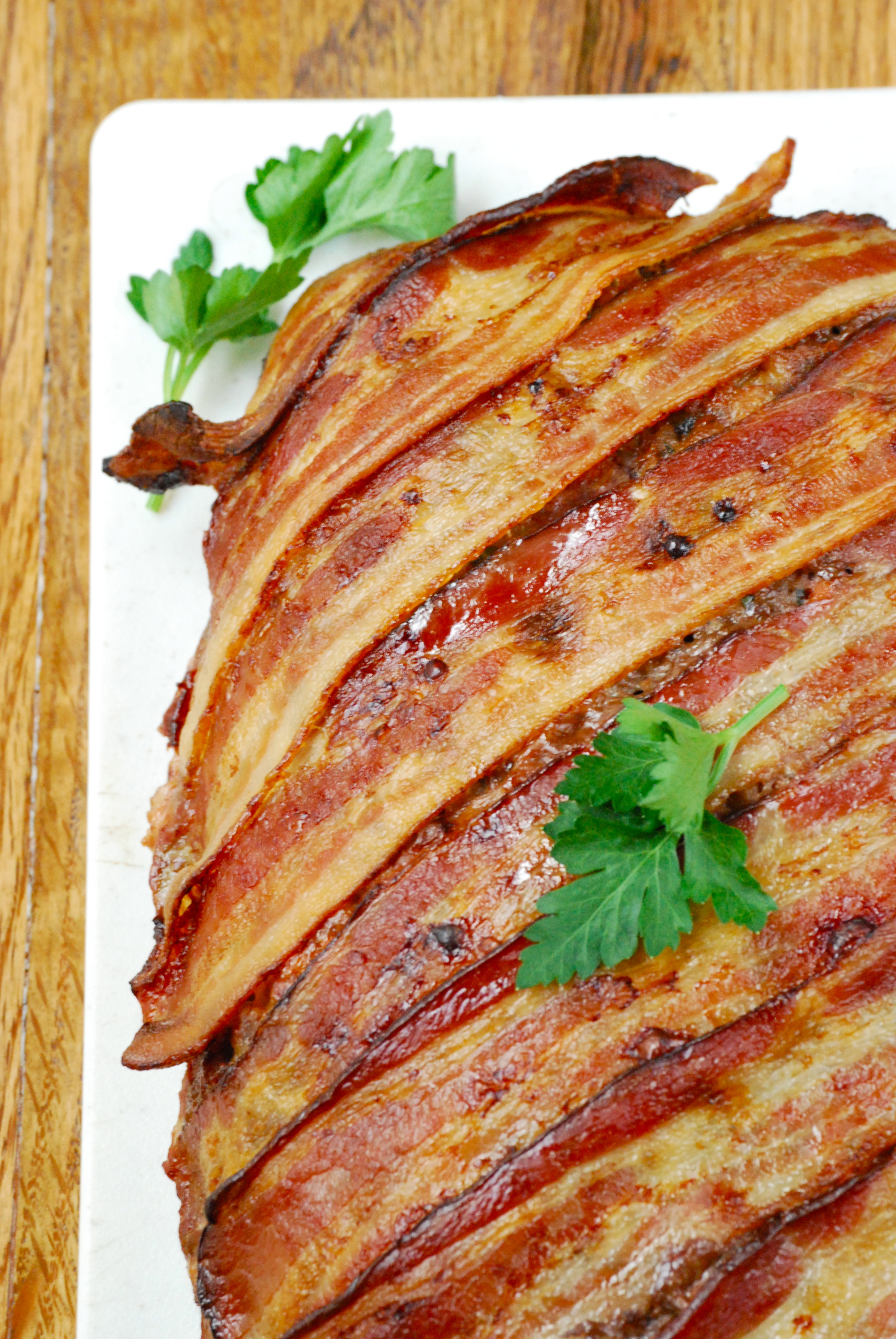
So, how glamorous does meatloaf sound?  Personally, I thought Bat Out of Hell was a fine album, though I wouldn’t say he sounds glamorous.  Er, wait.  Wrong meatloaf.  Poor jokes aside, the dish generally doesn’t sound that elegant either, but this recipe makes me weak in the knees.  It’s one of those meals that I think about far too often.  The problem with most meatloaf– aside from the unappetizing name– is that it’s usually a bland brick that’s really only edible when covered in a pile of ketchup.  I always think of the grade school lunch variety.  This is a whole different experience.  Just look at that bacon!  And if you’re ready to move on from Thanksgiving leftovers, this hearty version is perfect. 

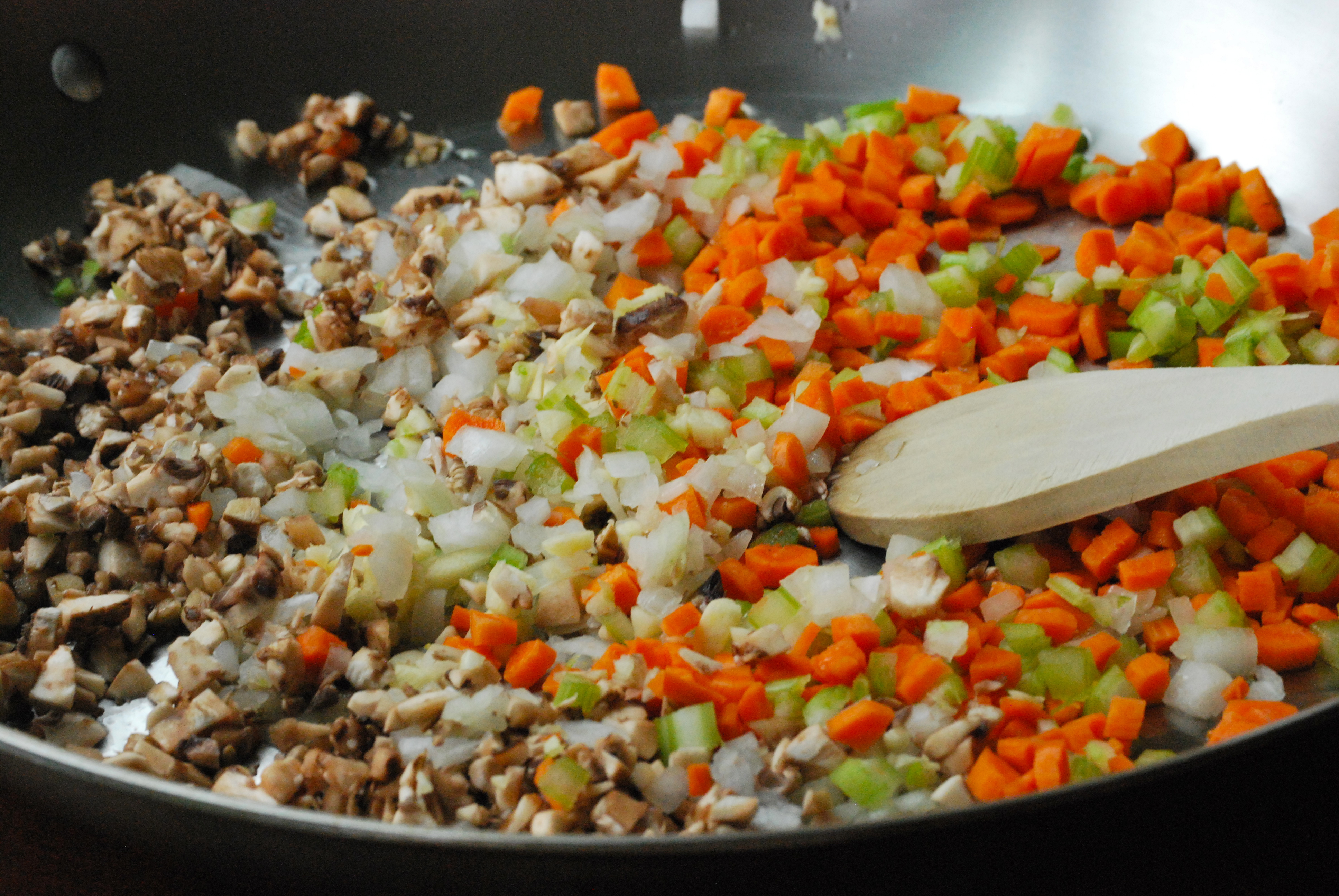
So what makes this meatloaf different?  What makes it special?  As always, it’s the ingredients.  Aside from the carrots, celery, and onions that form a good base, this dish relies on mushrooms for a complex earthiness.  There’s also cheddar to add more depth, texture, and a hint of saltiness.  And beer.  I used one of Radd’s home-brewed dark stouts, which worked nicely with the mushrooms and cheddar.  Finally, there’s the bacon.  Wow.  It makes the dish.  Not only does it add so much flavor, but it helps keep the meatloaf juicy.  Keeping this meal moist is key, so aside from the bacon, the milk-soaked bread is essential.

This meatloaf would be a wonderful centerpiece meal, accompanied by several sides, but– to be honest with you– I made it for sandwiches.  I was craving a to-die-for meatloaf sandwich and I got it.  I cut a nice thick piece and put it on a ciabatta roll, covered it with a bit of mayo and harissa and a mound of hot peppers.  Amazing.  I also found that it was incredible when paired with the homemade ketchup I made this Summer.  I’m not sure which one I like better, so I’m tempted to make another meatloaf just to find out.

The Recipe : Cheddar and Stout Meatloaf

Serves 8

2 tablespoons olive oil

2/3 cup chopped onions

3 cloves garlic, finely chopped

1/2 cup carrots, finely chopped

1/2 cup celery, finely chopped

3/4 cup crimini mushrooms, finely chopped

1/4 cup fresh parsley, chopped

4 ounces french bread,  (about 2 1/2 cups, cubed)

1 cup whole milk

3/4 cup Stout ale

2 pounds grass-fed ground beef

2 large eggs, lightly beaten

1 tablespoon Worcestershire sauce

2 1/4 teaspoons kosher salt

1/2 teaspoon freshly ground black pepper

1/2 cup grated sharp cheddar cheese

10 ounces thin-sliced bacon (about 9 pieces)

Heat the oil in a 10- to -12 inch skillet over medium heat.  Cook the onion, garlic, carrots, celery, and mushrooms until softened and just beginning to brown, about 6-8 minutes.  Add the stout ale and simmer until almost all of the liquid is gone, about 4-5 minutes.  Transfer to a large bowl and let cool.

Meanwhile,  in a shallow dish soak the bread and milk, flipping once, until soggy but not falling apart, 5-10 minutes, depending upon the freshness of your bread.  Gently squeeze the milk from the bread with your hands.  You will want the bread to be moist, but not drenched.  Finely chop the bread and add to the bowl of cooked vegetables.

Position rack to center of oven and pre-heat to 375°F.  Begin to add the remaining ingredients to the bowl of vegetables and milk soaked bread — ground beef,  eggs, salt, pepper, Worcestershire sauce, parsley, and cheddar cheese.    Use your hands and gently mix all of the ingredients until just combined — try not to compact the mixture as you do this.

Line the bottom of a large rimmed baking sheet with parchment paper.  Put the meatloaf mixture on the pan and form a 10 x 4 – inch rectangular block (it will become loaf shaped as it bakes).  Wrap the meatloaf with the bacon in a diagonal pattern.  Leave a 1/2- inch over hang around the edges and tuck under the meatloaf.  Some pieces of bacon will need to be trimmed.

Bake until an instant read thermometer inserted into the center of the meatloaf reads 160°F, 50-60 minutes.  Then, broil the meatloaf 6-inches below the heating element until the bacon is brown and crisped, about 3 minutes.  Let rest for 10 minutes before serving.  Enjoy!

Source:  Adapted from Fine Cooking Magazine, Feb/March 2011

Thanks for stopping by today!

Laurie

Join me on Twitter
Read Full Post »

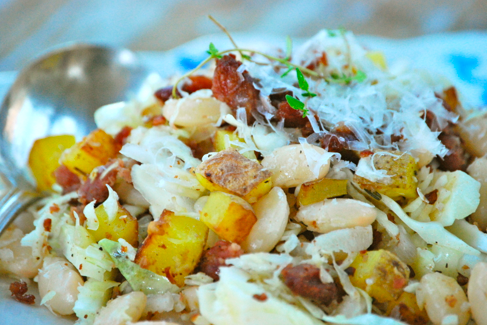
So how much Halloween candy have you been sneaking this week?  Me?  Far too much.  Though I love how worked-up my little ones get about trick-or-treating, when I take stock of how much candy I have eaten I feel more than a little guilt.  That’s why there’s no better time to eat a nice, light dinner of…dried beans and cabbage.  I know, I know.  It doesn’t sound too tantalizing, but take a look at this dish.  It’s so satisfying.  I love cooking with dried beans.  If I can convince you of anything (aside from the benefits of eating organic, local, and unprocessed foods), its to use more dried beans in meals.  They’re inexpensive, and their taste and texture is so much more appealing than canned versions.  The only drawback is that using them requires just a bit of planning.  But even this isn’t difficult, as cooked beans can be stored in the freezer and thawed for whenever you need them.

Cabbage is another of those ‘lost’ ingredients that often goes unappreciated.  I love it’s versatility– it works in salads, soups, and main dishes.  Cabbage has that nice crunch when you want it, or you can rely on it for a softer, underlying texture.  And that mellow, slightly sweet flavor works well is so many dishes.  For this meal, I’ve also turned to the amazing smoky, saltiness of bacon, though it’s not necessary.  The flavorful beans and cabbage are powerful enough to stand up on their own here.  I make it both ways, depending upon my mood.  This is a simple, healthy, and most importantly, delicious dish.  Make it this week– it’ll become one of your everyday light meals, too.

The Recipe:  Cabbage, White Beans, and Bacon

(serves 4)

2 tablespoons extra-virgin olive oil

2 smallish yellow potatoes, unpeeled, cut into cubes

1/2 medium onion, diced

2 cups cooked and cooled white beans (roughly 1 cup dry)  OR 1 15-ounce can, rinsed and drained

3 cups finely shredded green cabbage

1 garlic clove

1/2 pound bacon, cooked and crumbled  (use more or less to your liking)

freshly grated parmesan or grana padano cheese, for sprinkling

sea salt and cracked pepper, to taste

In a large skillet, cook the bacon over medium heat until your desired crispiness.  Remove from pan.  Crumble when cool.  Begin to cook the potatoes next.  For more flavor, cook them in the bacon grease — or for a healthier version, drain the grease and add the olive oil.  Season potatoes with salt and pepper and cook over medium-high heat.  Cover and cook until the potatoes are cooked all the way through, 5-8 minutes.  Be sure to stir a couple of times, so all sides become golden brown.

Next, stir in the onion, garlic, and beans.  Try to cook each side of the beans, so they brown a bit, as well.  When the beans have developed some color and are a bit crispy, stir in the cabbage and cook for another minute, or until the cabbage begins to wilt a bit.  Stir in the bacon.  Season with salt and pepper, if necessary.  Sprinkle with a bit of cheese.  Enjoy!

Source:  Adapted from Heidi Swanson’s Super Natural Every Day

Hope you all have a fun Halloween evening — my kiddos are super excited to go trick-or-treating!  Thanks for stopping by today.

Laurie

Follow me in Twitter

Read Full Post »

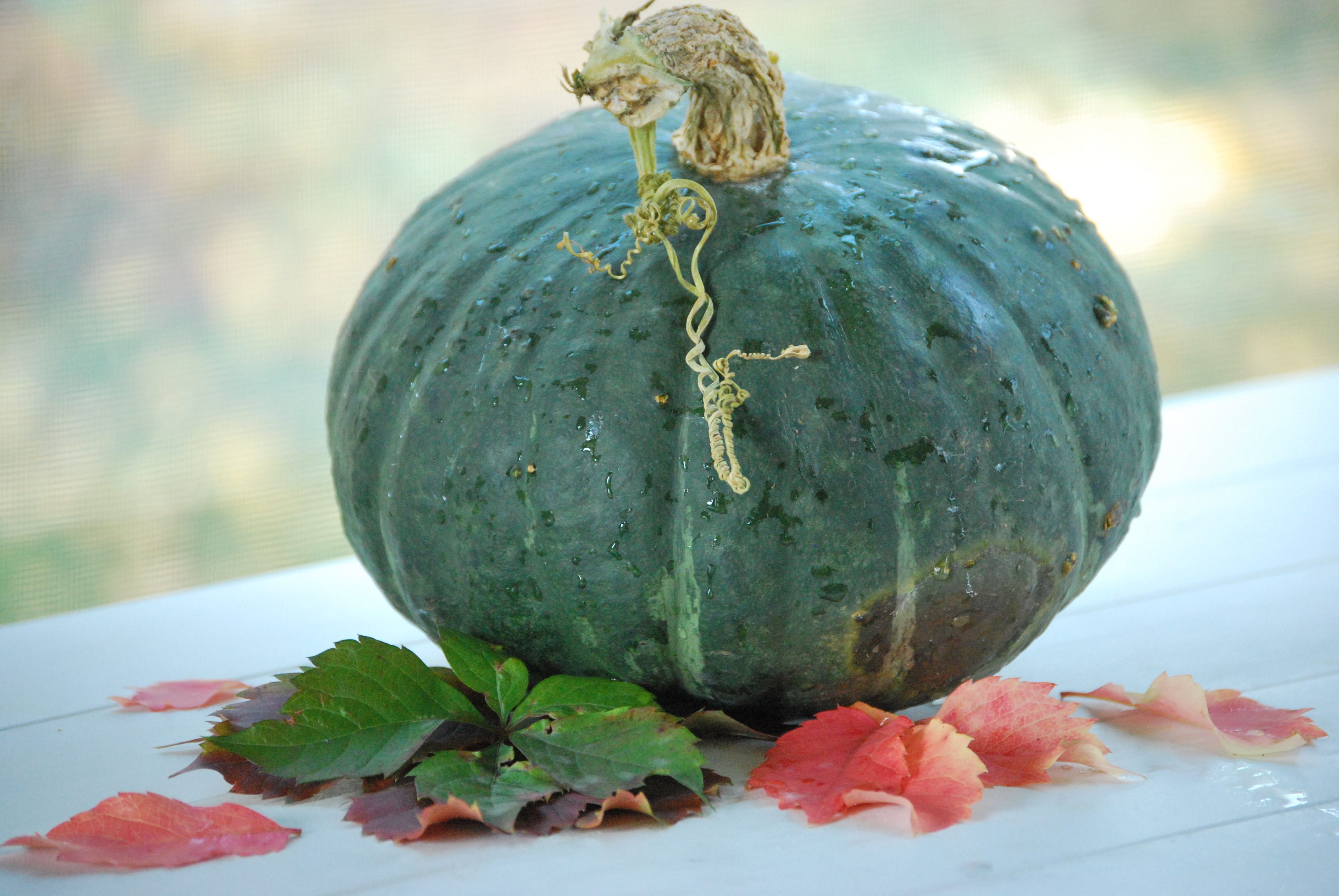
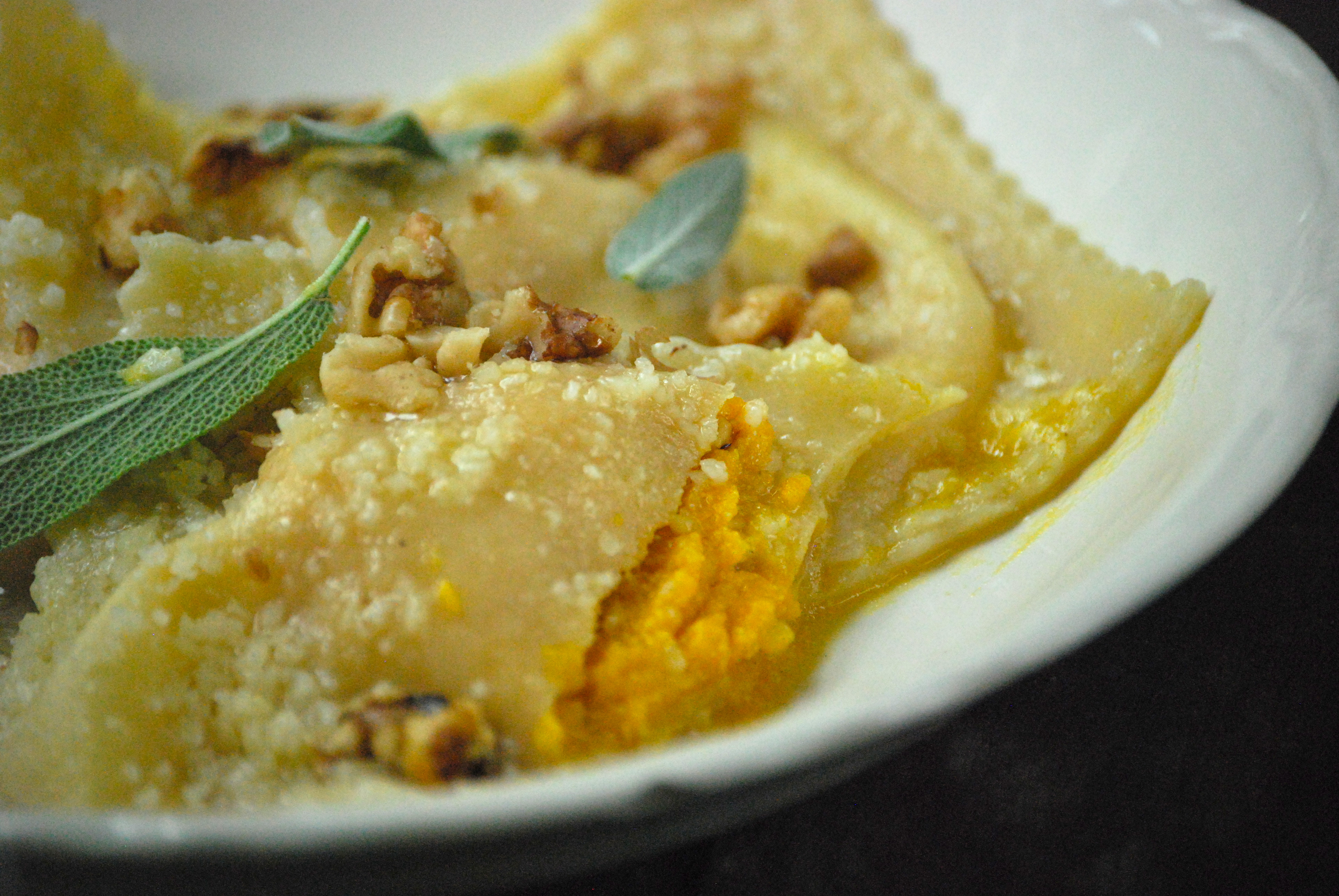
Last week I told you I’d have another fabulous recipe for you to use up any left-over winter squash you have from this dish.  Here it is, and it’s a remarkable Squash Ravioli, which also happens to be one of my favorite meals.  I’ve always felt that homemade pasta is the perfect comfort food– and pairing it with squash and browned butter with sage makes for a sublime Autumn dinner.

Browned butter and sage sauce is so simple to make, yet the incredible flavor will really stay with you.  I crave this sauce for weeks after we make this dish– you will too.  Seriously, it’s that good.  It perfectly compliments the sweetness of the squash, the creamy ricotta cheese, and the hint of freshly-grated nutmeg– all of which make up the filling.  The walnuts add texture to counter the pillow-soft ravioli.  And topping almost anything with Parmesan cheese makes it a little bit better.  Serve the ravioli with the crispy sage leaves (if you can keep yourself from eating them before dinner).

Now I know making homemade pasta may not be on your agenda.  Here’s the thing, though– fresh pasta really is that much better than the dried varieties you see at the market.  There’s no comparison.  And as I’ve said before, if you make it a family project you’ll enjoy the process, rather than thinking of it as just preparation.  As for the equipment, while it’s certainly easier to use a food processor and pasta roller, all you really need are strong arms, a sturdy wooden spoon, and a rolling pin.  Hey, it’s exercise, right?  Give it a try and you’ll be pleasantly surprised by how satisfying it is to make your own pasta.  And even more satisfying when you get to fill it with amazing ingredients like this.

The Recipe:  Squash Ravioli with Browned Butter and Sage

The Pasta Dough:

(Makes 1 pound of dough)

2 cups all-purpose flour

2 large whole eggs

1/4 cup extra-virgin olive oil

3 tablespoons water

1 egg (reserved for ravioli wash)

The Squash Filling:

1 1/2 cups squash puree

1/2 cup ricotta cheese

1/4 teaspoon freshly grated nutmeg

1 teaspoon kosher salt

1/2 teaspoon cracked pepper

Browned Butter and Sage Sauce:

1 stick unsalted butter

6 sage leaves

2/3 cup water

1/2 cup grated Parmesan cheese

salt and pepper

1/2 cup toasted walnuts

To make the pasta dough:  Mix 2 eggs and olive oil into a measuring cup.  Add 3 tablespoons water (or however much needed to reach 7 fluid ounces).  Put the flour into a food processor fitted with a regular blade and pulse a couple of times to aerate (there will not be enough dough to successfully use the dough blade).  Start running the machine and pour the egg mixture down the feed tube, carefully getting every drop in there.  A dough ball should form quickly.  Do not process for more that 40 seconds total.  Turn machine off and turn dough onto a lightly floured surface.  Knead by hand for  a half minute, or until it’s smooth.  Form it into a ball and wrap it tightly with plastic wrap.  Let rest at room temperature for at least a half hour.   Store in the refrigerator for a day, or freeze for a month or more.  Defrost in the refrigerator and let sit at room temperature before rolling.

To bake the squash: Preheat oven to 375°F.  Place a quartered, seeded squash on a cookie sheet lined with aluminum foil.  Cover with foil and bake until soft and tender, 35-45 minutes.  Let cool.  Scoop out flesh into food processor.  Add a bit of water if necessary and puree until smooth.  Cool.

To make the filling:  Add the squash, ricotta cheese, nutmeg, salt and pepper to a bowl.  Mix and set aside.  There may be some leftover filling.  Refrigerate and enjoy by the spoonfuls the next day.

To form the ravioli:  Quarter the dough ball.  Use a pasta machine or roll each section by hand.  Making sure to flour your work surface well.  The goal is to get the dough very thin and long.  Once you achieve this, straighten up the sides, if necessary and cover.  Repeat with another quarter of the dough.  You’ll want to get two matching sections.  Make the ravioli however big you like.  Using a pastry brush, apply an egg wash (beaten egg) along the edges of each ravioli.  Place a tablespoon of filling in the middle of each section and top with the other section of dough.  Press the dough together along the egg wash– this will seal the filling inside.  Use a pasta cutter to cut the ravioli into sections.  Or use a knife and press down with fork tines to seal.

To make the browned butter and sage sauce:  In a medium-sized sauce pan, place a stick of butter and the sage leaves.  Begin to brown the butter until it’s fragrant and has a nice caramel color.  Stir frequently.  Add 2/3 cup of pasta water and cook for another 3-4 minutes.  Remove from heat.

Place the ravioli in a large pot of salted, boiling water.  You will want to work in batches.  Place three ravioli (depending upon the size of your pot) into the water.  Cook for about three minutes.  The dough will shrink and tightly enclose the mound of filling when done.   Remove from water and repeat with remaining ravioli.  Toss the cooked ravioli into the brown butter and sage sauce immediately, so they don’t stick together.  When serving, sprinkle with Parmesan cheese and the toasted walnuts.  Enjoy!

Source:  Pasta and Sauce adapted from Lidia Bastiancich’s Lidia’s Family Table

Thanks for stopping by Relishing It!  Have a great day.

Laurie

Follow me on Twitter!

Read Full Post »

Every once in a while I try a recipe that turns out so much better than I anticipated.  It usually ends up being a recipe that I crave days, weeks, or even months after I make the dish.  This is one of those meals, and it stunned me.  Sure, I expected it to be tasty, but to be honest I was more focused on the health benefits when I decided to make these cakes.  I didn’t expect the flavors to be so vibrant, the taste so fresh. And I had no idea that my family would love them as much as I did.

I was drawn to this recipe the moment I read it.  It is loaded with healthy ingredients that I generally keep on hand, contains Indian spices, and it’s in a tiny cake-form.  That’s right, I’m not above making a dish because I like little cakes.  Hey, they’re fun.  Another nice aspect to this dish is that is works as both a side accompaniment to a larger meal, or as the centerpiece with a salad or fruit.  Or how about this?  Stuff a couple of the cakes into pita bread along with some fresh vegetables like cucumber, tomato, and red onion.  Top with the sauce and it’s a perfect lunch to take to work, the park, or wherever you like.

The extra cakes from the recipe keep very well and heat up easily  without loosing any their wonderful texture.  It really is a nice meal to make at the beginning of the week that you can come back to over several days.  Just a note, you can roast a head of garlic for the raita (sauce).  I decided to use fresh garlic in the sauce, and it was incredible.  I substituted 2 cloves instead of the whole head, as fresh garlic is much more pungent.  Also, the roasted garlic need not be mixed into the raita, but can be served on the side.

The Recipe: Indian – Spiced Lentil Cakes with Raita

(2-4 servings)

Raita

1 -2 cloves garlic, finely chopped

1 tablespoon extra-virgin olive oil

1/4 teaspoon cumin seeds (substitute ground, if necessary)

1 cup plain low-fat yogurt

1/4 cup finely chopped peeled and seeded cucumber

1 teaspoon chopped fresh mint

1 teaspoon chopped fresh cilantro

1 teaspoon seeded jalapeno

1 teaspoon fresh lemon juice (or more)

kosher salt and freshly ground pepper to taste

Lentil Cakes

1/2 cup mix dried legumes (lentils, chickpeas, mung beans, green or yellow split peas all work well)

1/4 cup brown basmati rice

1 garlic clove, minced

1 teaspoon chopped fresh ginger

1/2  jalapeno, seeded and minced

1 cup leaves from pea tendrils, arugula, or spinach, chopped

1/2 cup frozen peas, thawed and chopped

1/4 cup chopped fresh cilantro

1/4 cup chopped scallions

3 tablespoons chopped fresh mint

1 teaspoon kosher salt

1 teaspoon freshly ground black pepper

4 tablespoons extra-virgin olive oil, divided

To prepare the Raita: Toast the cumin seeds in a dry skillet for 2-3 minutes, or until golden brown and fragrant.  Let cool.  Pulverize with a mortar and pestle or finely crush with a sharp knife.  Mix the yogurt, cucumber, cilantro, mint, jalapeno, cumin, and 1 teaspoon lemon juice.  Season with salt and pepper.  Set aside.

To prepare the lentil cakes:  Rinse legumes; place in a medium bowl with rice and cover with 3-inches of water.  Let mixture sit at room temperature for 3-5 hours.  Drain mixture and transfer to a food processor.  Add garlic, ginger, and jalapeno.  Process until grainy paste forms (add 1-2 tablespoons water, if necessary).  Transfer to a large bowl; mix in your choice of chopped greens, peas, cilantro, scallions, mint, salt and pepper.

Heat 1 tablespoon of oil in a large skillet over medium-high heat.   Fill a 1/4 cup measuring cup almost full and gently compress it.  Tap mixture out onto your hands, careful to keep it’s shape and gently place into the hot skillet.  Reduce heat to medium and saute until golden brown and cooked through, add 1 more tablespoon of oil (if necessary) and flip.  Cook about 4-5 minutes per side, of whenever they are your desired color and doneness.  Repeat with remaining oil and mixture.   Top with raita — enjoy!

Source:  Adapted from the September 2011 issue of Bon Appetit Magazine

Have a great day!

Laurie

Follow me on Twitter

Read Full Post »

Ah, the evening chill of Fall.  It turns the switch in my brain from wanting the cool, crisp vegetables that I’ve been eating all summer to warm, comforting dishes.  Yes, it’s hard to say goodbye to those fabulous cucumbers for the next several months, but I’m ready to slowly warm my house and enjoy the lingering smell of roasted vegetables.  I’m ready to have Radd come home from work, open the front door, and see him smile when he notices those beautiful aromas.  There is something therapeutic about it.  I get so excited to share this style of warm, homecooked meal with my family.

You already know that (aside from sweets) vegetables are really all I need.  While I love those raw fresh and crisp summer specimens, roasting imparts– or perhaps emphasizes– other flavors entirely.  They develop a bit of a personality and a little more character.  They are both sweeter and more complex.  This recipe really showcases what I’m talking about.

The vegetables are prepared in a large baking dish where they slowly caramelize in the oven.  They take on those fantastic roasted notes, and become oh-so tender.  But there’s more.  This meal has another layer of flavor due to a superb caper vinaigrette.  To be honest, I was a little hesitant to add the dressing at first.  Capers– though I love them– can really overpower a dish.  Adding their salty, briny character struck me a bit odd.  Much to my surprise, the result was brilliant.  The maple syrup accentuates the sweetness of the vegetables.  The Dijon mustard, lemon juice, and olive oil meld to create a beautiful canvas for the punch of those potent little capers.  Rather than compete to overpower your taste buds, the flavors end up nicely balanced, each taking its turn.  They complement each other perfectly, and once you taste these vegetables, you won’t roast them any other way.

For the vegetables, most any combination of your favorite root variety will work here.  Some will need longer roasting times, so adjust accordingly.  When choosing parsnips, try to choose medium sized ones.  If you can only find large ones, just make sure to quarter them and cut away the woody center.  This dish would be wonderful paired with a roasted chicken or a braised pork shoulder.  Or make them on their own.  Just be sure to share.  Enjoy!

The Recipe:  Roasted Vegetables with Caper Vinaigrette

(Serves 4)

4 medium parsnips

4 medium red onions

2 medium sweet potatoes, unpeeled

2 -3 medium purple carrots (regular can be substituted)

2/3 cup olive oil, divided

4 thyme sprigs (about 1 teaspoon dried can be substituted)

2 rosemary sprigs (about 1 teaspoon dried can be substituted)

1 head garlic, halved horizontally

handful of cherry tomatoes, halved

salt and pepper

2 tablespoons lemon juice

3 tablespoons small capers

1/2 tablespoon maple syrup

1/2 teaspoon Dijon mustard

Preheat the oven to 375°F.  Peel the parsnips.  Cut the carrots and parsnips into halves and then into 2-3-inch segments.  Peels the onions and cut each into 6 wedges.

Place the parsnips, carrots, and onions on a roasting pan and toss with 1/2 cup of the olive oil, the rosemary, thyme, garlic, 1 teaspoon salt and some pepper.  Spread out evenly and roast for 20 minutes.

Prepare the sweet potatoes by cutting their ends off.  Then cut them into halves. Then each half into six wedges.  Add the potatoes to the dish of vegetables, toss, and return to the oven for a further 40 minutes, or so.

When the vegetables are cooked through and have taken on a golden color, toss in the tomatoes and roast for another 10 minutes.  Meanwhile, whisk together the lemon juice, maple syrup, mustard, capers,  1/2 teaspoon salt, and remaining 2 tablespoons of olive oil.

Pour the dressing over the roasted vegetables as soon as they are removed from the oven.  Adjust seasonings, if necessary.  Enjoy!

Source:  Adapted from Yotam Ottolenghi’s Plenty Cookbook

For more healthy fare inspiration, take a look at these other ideas via womenshealthmag.com   —  Thanks for stopping by!

Laurie

Follow me on Twitter

Read Full Post »

Tomato Jam

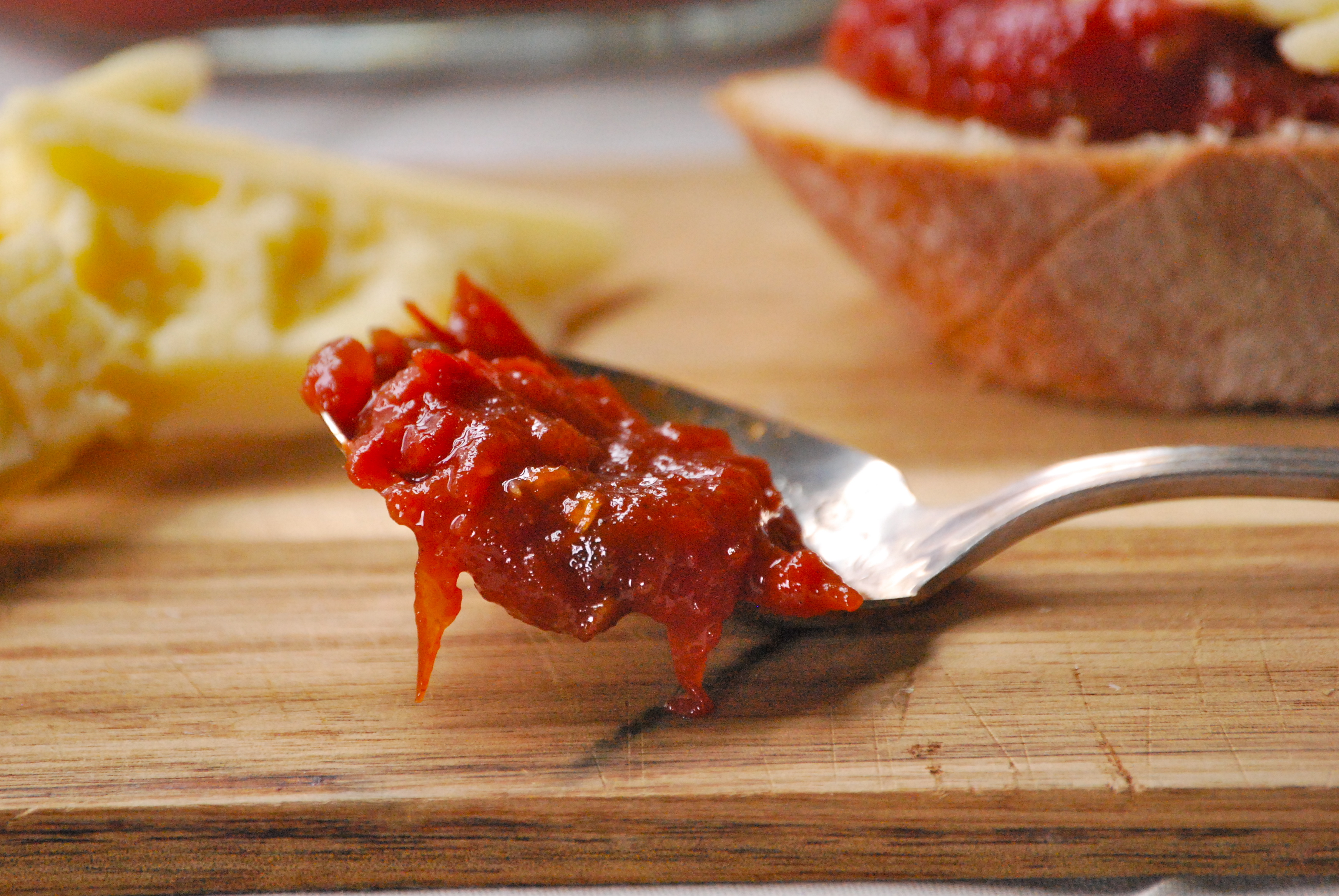
You are looking at my latest addiction– tomato jam.  You read correctly, it’s  jam made from tomatoes.  I’ve been eating this heavenly spread on everything lately.  Now you may not have heard of tomato jam, but in food circles it seems as though everyone is talking about it.  The recipe is simple and easily adaptable into both sweet and savory versions.  To me, it’s perfection in a jar.

So how simple is it?  Just chop up the tomatoes, add a few spices, and plop everything in a kettle.  Stir.  Wait an hour, or so for it to thicken. Done.  Depending on what you add, you can make it as sweet or savory as you like.  I’ve been using both versions… a lot.  The sweet jam pairs beautifully with crusty bread and a rich cheese, like a nice white cheddar or goat cheese.  Or how about serving it on top of a beautiful round of brie, with cocktails?  The savory jam is a perfect match for eggs, bacon, or braised meat sandwiches.  And that’s just the start.  Once you taste this topping– like me, you’ll spread it on everything.

Like any other jam, you’ll want to refrigerate this one (it should be used within 2 weeks).  You can also ‘can’ the jam for later by following basic canning instructions.  That way you’ll have it available throughout the winter.  It’s a good idea to double or triple (or more) the batch if you’re going to go through the work of canning it.  It’ll need 20 minutes in a hot water bath.  I’ll certainly be canning several jars, because for the past few weeks I’ve been starting my day off with an egg and tomato jam breakfast sandwich.  And I don’t want this new-found favorite to end anytime soon.  It’s so quick and easy.  Try it, you’ll be happy you did!
The Recipes: Tomato Jam: Two Ways

Somewhat  Sweet Version:

(Makes a bit more than 1 pint)

2 pounds tomatoes, chopped  (Roma are best,  though I used regular)

3/4 cup brown sugar

1/8 teaspoon ground cloves

1/2 teaspoon ground cinnamon

1 teaspoon kosher salt

1 teaspoon ground cumin

2 tablespoons lime juice  (may substitute lemon)

1 serrano pepper, minced (or any hot pepper of choice)

1 tablespoon ginger, minced

Combine all ingredients into a large, heavy- bottomed sauce pan.  Bring to a boil.  Reduce heat and simmer, uncovered.  Make sure to stir often.  Cook for roughly 1 hour, or until it reaches your desired consistency for jam.  Remove from heat and let cool.  Place in a jar and refrigerate.

Source:  Adapted from Mark Bittman via The New York Times

Smokey, Savory Version:

(Makes 1 pint)

1 pound tomatoes , chopped

1/3 cup granulated sugar

1 teaspoon ground cumin

2 teaspoons smoked paprika

pinch of kosher salt

2 tablespoons lime juice

1 serrano pepper, minced (or any hot pepper you prefer)

Combine ingredients into a medium, heavy -bottomed sauce pan.  Bring to a boil.  Reduce heat to simmer and cook uncovered, stirring frequently.  Cook for roughly 45 minutes, or until the mixture has reached your desired jam consistency.   Remove from heat, cool, and refrigerate.

Source:  Adapted from Molly Hermann from Tastebud Tart Catering via Fresh Tart @ Minnesota Monthly Magazine

I hope you enjoy both versions of tomato jam.  Have a wonderful day and thanks for stopping by.

Laurie

Follow me on Twitter!

Read Full Post »

« Newer Posts - Older Posts »